
Table of contents
The world of gambling is as diverse as its participants, with games and wagers ranging from the casual to the life-changing. Understanding what drives individuals toward low-stake or high-stake gambling reveals fascinating insights into human psychology and behavior. Delve into the nuanced motivators, emotional responses, and cognitive processes that distinguish these two gambling approaches and discover how they shape the overall experience.
Understanding risk perception
Risk perception plays a pivotal role in distinguishing the experiences of low-stake gambling from high-stake gambling. Individuals engaged in low-stake gambling often perceive the probability of loss as manageable, which leads to lower anxiety and fosters a more recreational approach. In contrast, high-stake gambling heightens the psychological impact of potential losses and rewards, prompting a more acute assessment of outcomes and intensifying emotional responses. Behavioral psychologists assert that risk tolerance—one’s capacity to endure uncertainty and potential negative outcomes—varies greatly among gamblers and directly informs the decision-making process. Those with higher risk tolerance are more inclined to participate in high-stake gambling, as they appraise the balance between reward and loss differently compared to those who exhibit aversion to risk and prefer low-stake gambling environments.
Underlying these behaviors are psychological mechanisms that influence how individuals interpret odds and make choices. Cognitive biases, such as overestimating control or succumbing to optimism, can skew perceptions in both low-stake and high-stake gambling. The gambling psychology literature indicates that these biases, combined with personal experiences and emotional states, shape the overall risk perception and ultimately guide the type of gambling activity chosen. Understanding these patterns not only deepens insight into the decision-making process but also enhances responsible gaming interventions tailored to varying levels of risk tolerance.
Emotional impact of gambling
Low-stake and high-stake gambling evoke a spectrum of emotional responses that deeply influence betting psychology. Low-stake gambling typically generates mild excitement and controlled emotional arousal, as individuals perceive the risk as manageable and the potential losses as less threatening. This environment promotes a sense of anticipation and relief upon small wins, reinforcing positive emotional responses and encouraging repeated engagement. Conversely, high-stake gambling amplifies emotional arousal, often leading to heightened anxiety in gambling due to the substantial risks involved. The thrill of possibly winning significant amounts is counterbalanced by the fear of major losses, producing intense emotional swings.
Effective emotional regulation becomes a pivotal factor in the choice between low-stake and high-stake gambling. Many participants pursue the gambling thrill for its rewarding dopamine rush, seeking positive reinforcement from the reward systems associated with winning. Those who struggle with emotional regulation may find themselves drawn to the higher emotional stakes of significant bets, as the peaks and valleys of emotional response can become addictive. Clinical psychologists specializing in addiction highlight how repeated exposure to these emotional highs and lows can foster dependence on gambling activities. The popularity of themed betting platforms like squid gambler game demonstrates how the integration of gamified reward systems and narrative anticipation can further intensify emotional engagement in both low- and high-stake settings.
Motivations behind betting choices
Understanding gambling motivation reveals that both intrinsic and extrinsic motivators play a major role in shaping betting behavior. Many individuals are drawn to low-stake gambling due to its appeal as a source of light entertainment and social interaction, where the risk involved is minimal and the experience is shared among peers. For these players, intrinsic motivators such as relaxation, fun, and the joy of participation are at the forefront. In contrast, high-stake gambling tends to attract those whose primary incentives are extrinsic, like the desire for significant financial gain or the thrill of high-stake risks. These players often seek not only the monetary rewards but also the intense emotional arousal and status among peers that accompany high-stake betting. Player incentives, whether rooted in the enjoyment of the game or the pursuit of rewards, demonstrate the complex interplay between internal desires and external outcomes, influencing the spectrum of gambling patterns observed in various environments.
Impact on gambling addiction
Gambling addiction presents in various forms, but the risk profile changes significantly depending on whether individuals engage in low-stake or high-stake gambling environments. Low-stake gambling may appear harmless and less likely to lead to problem gambling, yet research indicates that even small, regular bets can set the stage for compulsive betting due to gradual stake escalation. As gamblers experience repeated exposure, tolerance develops, prompting a need to increase wagers to achieve the same psychological thrill. This process, described by addiction specialists as escalation of commitment, marks a crucial transition from recreational play to compulsive gambling behaviors. High-stake gambling typically accelerates this progression, as larger sums intensify emotional responses and quickly raise the addiction risk. The dynamic interplay of stake size, frequency, and emotional investment determines how swiftly an individual may progress toward gambling addiction, underlining the necessity for early intervention strategies in both low and high-stake settings.
Societal and cultural influences
Gambling culture is deeply influenced by societal norms and cultural attitudes, which play a pivotal role in shaping preferences for low-stake or high-stake gambling. In some societies, gambling is perceived as a social activity woven into community life, encouraging participation in low-stake games that foster a sense of belonging and social acceptance. In contrast, cultures that celebrate individual risk-taking and material success may normalize high-stake gambling, portraying it as a symbol of status or achievement. The presence and strictness of regulation also reflect and reinforce these attitudes; communities with tight gambling controls often attach a stigma to high-stake wagers, discouraging such behavior, while more permissive environments may see the normalization of larger bets. The social construct of gambling norms is not static, adapting over time as the broader social context shifts through globalization, technological change, and evolving moral standards. These dynamics influence not only public perception but also individual choices, illustrating how deeply societal influence shapes the spectrum of acceptable gambling behaviors within different communities.
On the same subject
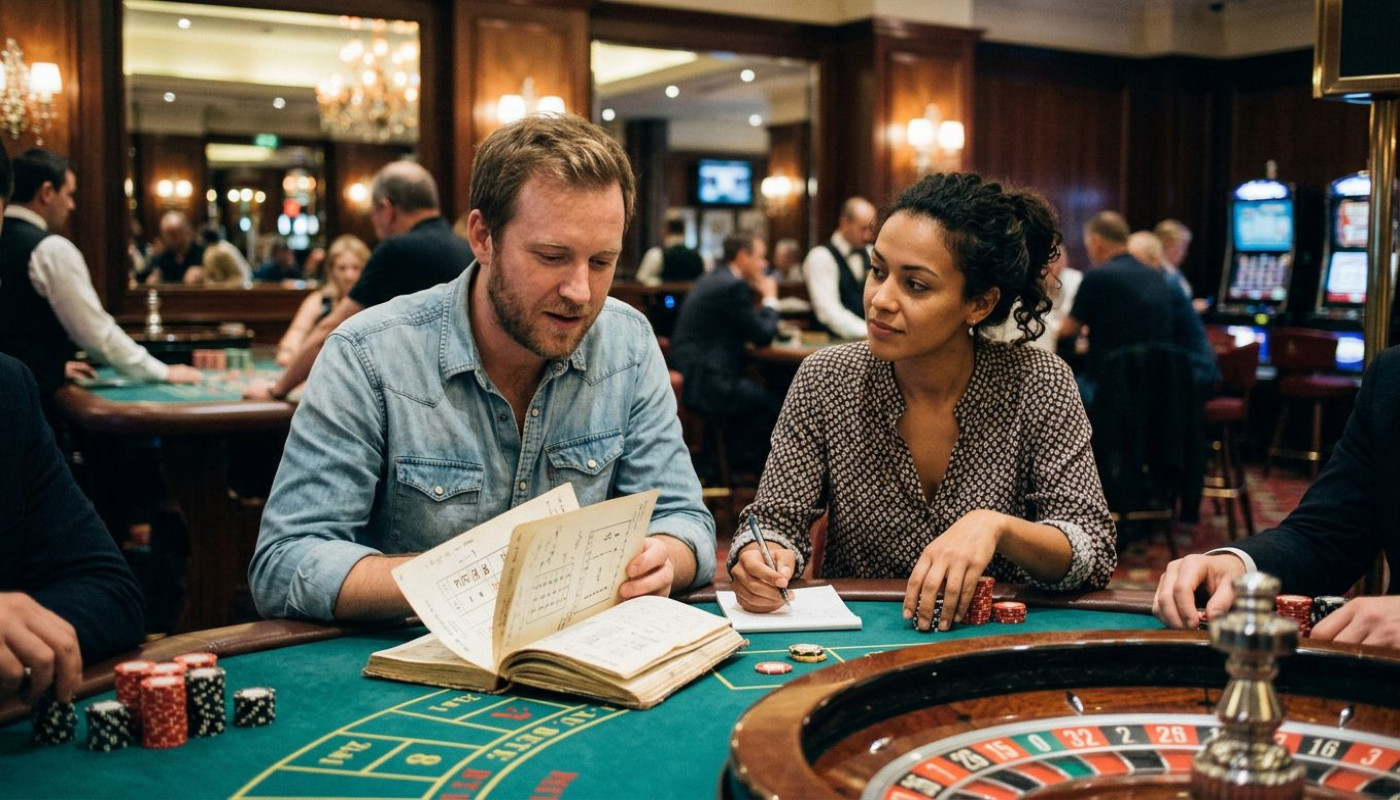
From Guidebooks To Real Risk: How Advice Matches Casino Reality

Exploring The Impact Of Lower Wagering Requirements In 2026

Key Considerations When Choosing Fire Alarm Systems?

Key Advantages Of Using A White Label Solution In Online Gaming

Exploring The Rise Of Low Deposit Options In Online Gaming

Exploring The Benefits Of Welcome Bonuses In Online Gaming Platforms

Exploring The Popularity Of Animal-Themed Casino Games

Comparative Analysis Of PC Games Adapted From Iconic Comic Series

Exploring The Legality Of Binary Options Trading Worldwide

Mobile Compatibility: A Must-Have For Modern Online Casinos

Exploring Effective Tactics For Enhancing Personal Connections And Hobbies

Exploring The Benefits Of Online Casino Bonuses And Promotions

Exploring The Benefits Of Innovative Digital Spinning Platforms

Maximizing Your Benefits With Welcome Bonuses And Free Spins

Exploring Traditional Japanese Crafts Through Modern E-commerce Platforms

How To Maximize Winning Chances On High Volatility Slots

Personal Stories Of Winning Big In Australian Online Casinos

Exploring The Future Of Online Gaming And Technology

Exploring The Thrill Of A Virtual Road-Crossing Casino Game

Playing Road Crossing Games On Mobile: Tips And Tricks

Strategies For Maximizing Winnings In Online Plinko Games

Exploring The Benefits Of Low Deposit Options At Online Casinos

Exploring The Benefits Of Generous Sign-Up Bonuses In Online Gaming Platforms

Exploring The Thrills Of Online Casino Bonuses: How To Maximize Your Gaming Experience